High-Rise Bat Removal in Florida
Florida towers can repeat the same bat-sized gap across balcony stacks, stucco joints, parapet caps, and roof transitions. We map the full exterior first, then plan access and exclusion around the building's residents, guests, and daily operations.
One opening may be part of a much larger pattern
A bat seen near an upper balcony does not tell the whole story. On a tall Florida building, the active roost may connect to a continuous wall joint or a concealed space behind the exterior finish. The inspection follows that route instead of treating the first visible gap as the only problem.
The resulting scope separates active exits from inactive defects. That distinction matters because sealing the wrong section first can move bats into another part of the building or trap them behind the wall.
A work plan built for Florida
Survey every elevation
The inspection covers roof edges, stacked balconies, wall joints, vents, and transitions between concrete, stucco, and attached exterior systems.
Separate exits from defects
Active bat routes are marked for one-way exclusion. Nearby inactive gaps are grouped into a repair sequence that will not redirect the colony.
Work inside the FWC calendar
The access plan can be completed during maternity season, but exclusion waits for the permitted wildlife window unless a permit applies.
Close the cleared roost
Once bat activity has stopped, the final openings are sealed and the completed exterior scope is recorded for the owner or manager.
Exterior work has to fit an occupied property
Condo boards and hotel managers need a plan they can share before technicians go over the edge. We identify balcony restrictions, roof access, ground-level work zones, and any areas that need temporary control.
Repair documentation records which elevations were treated and how active openings were closed after the bats cleared. It gives the property manager a usable record instead of a generic invoice.
What upper-story bat exclusion looks like
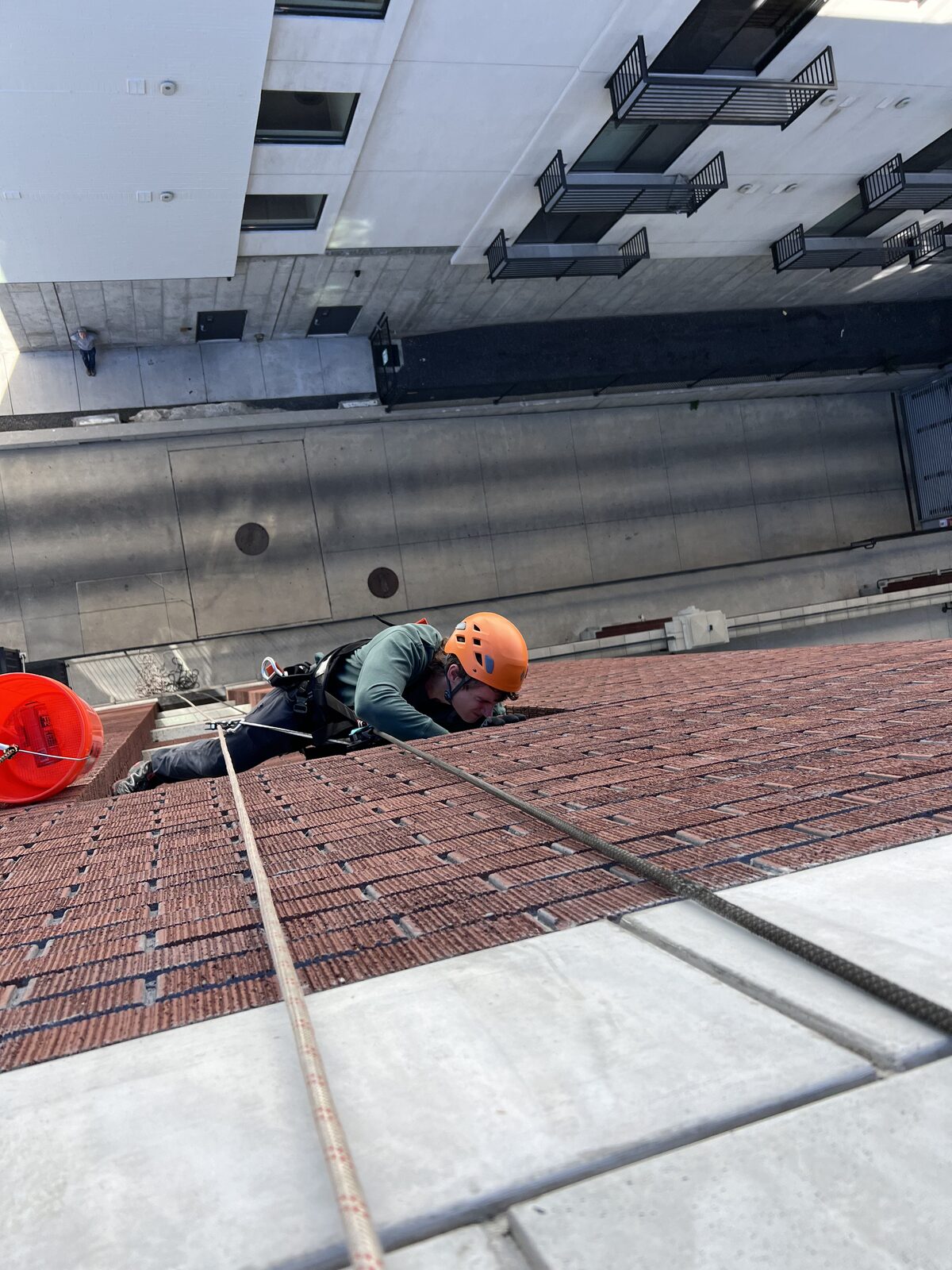
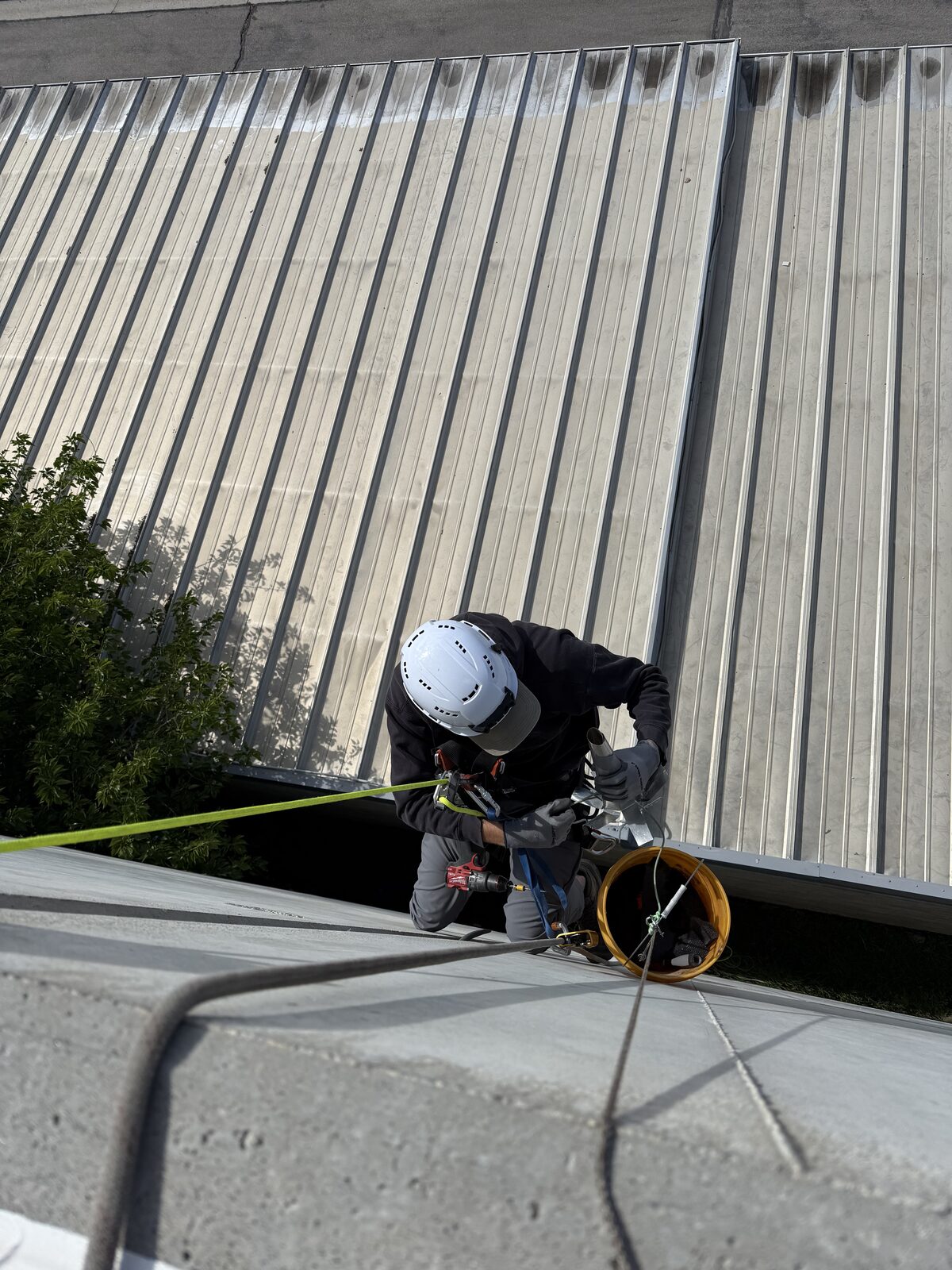
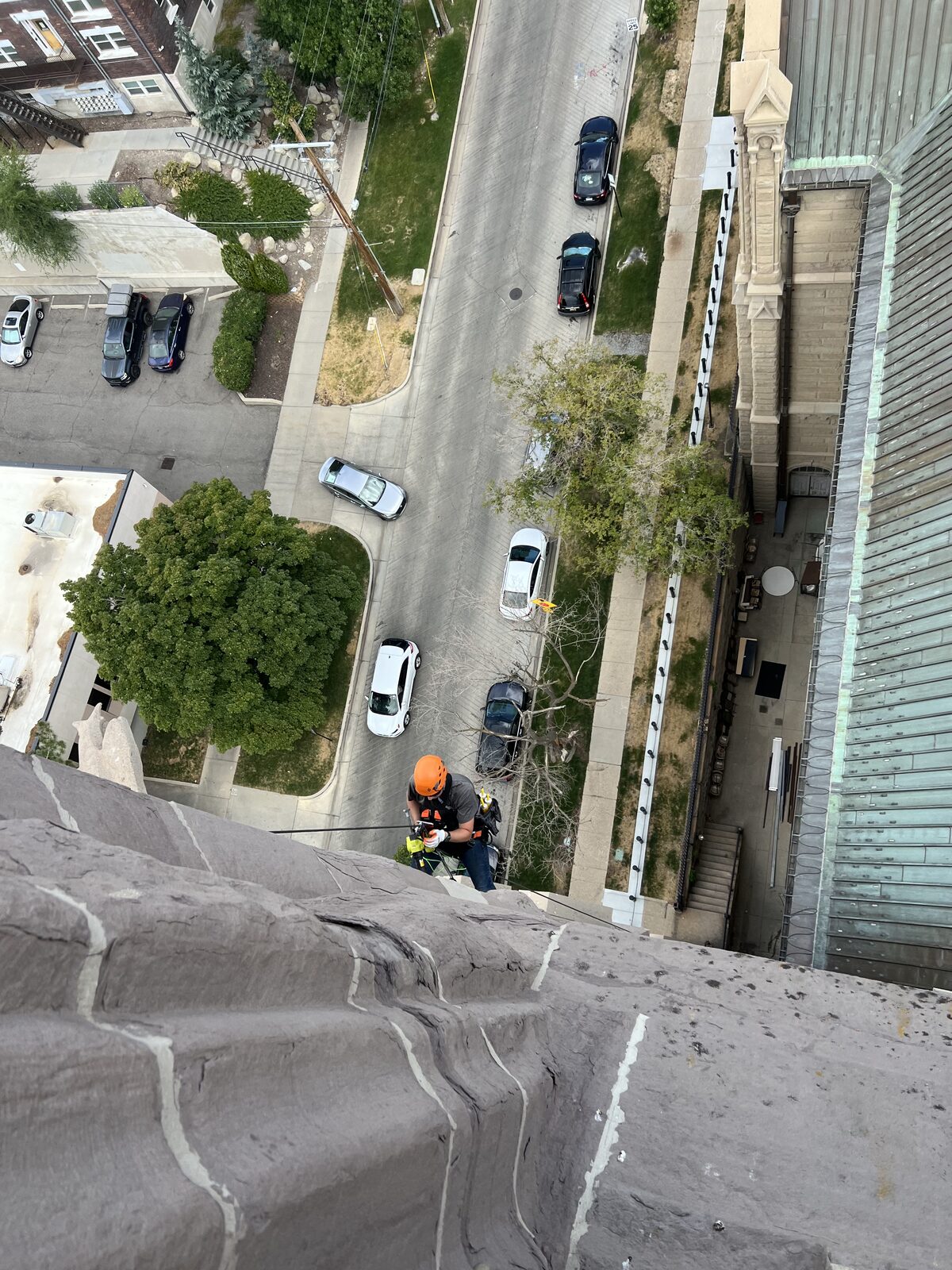
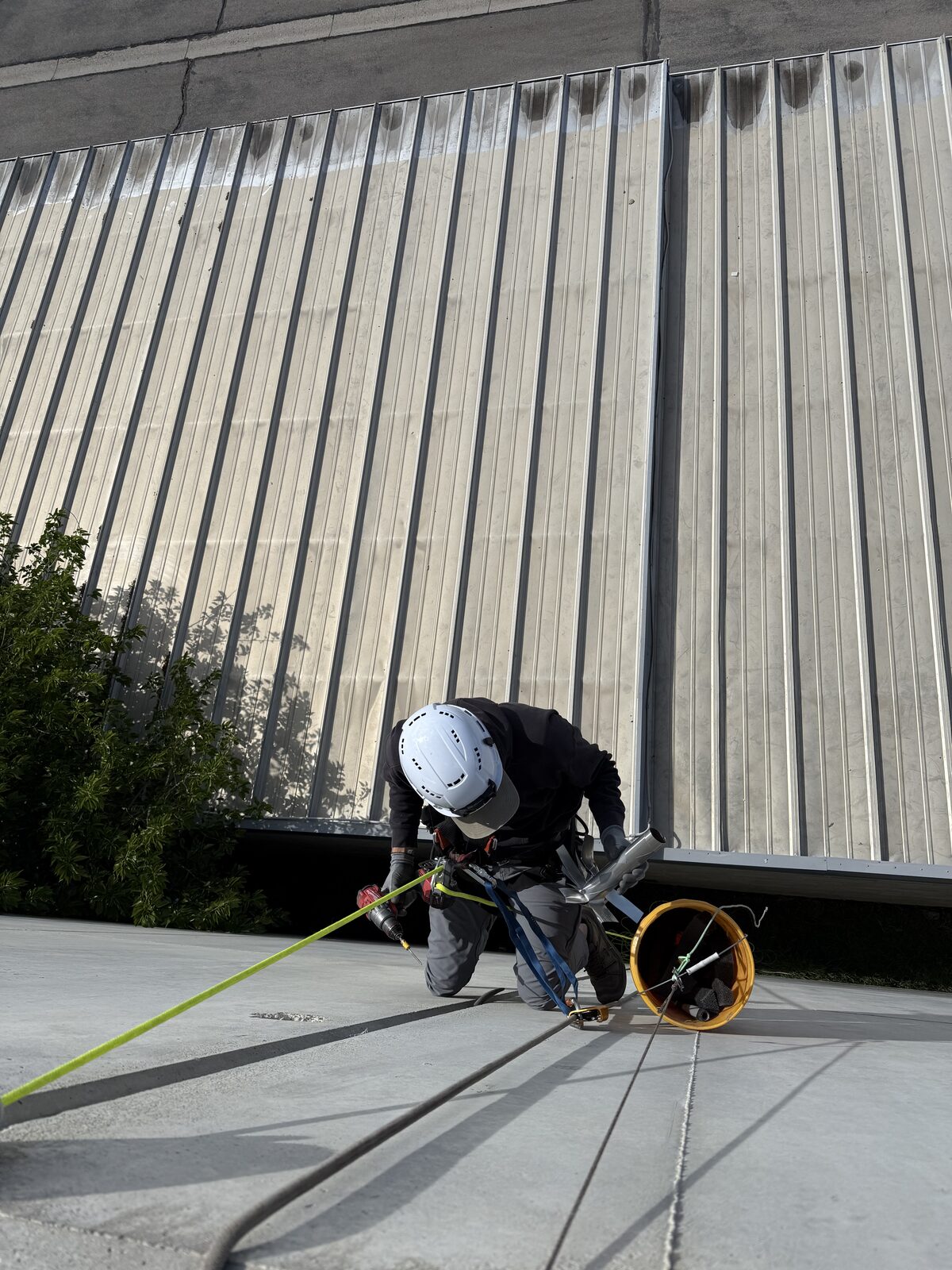
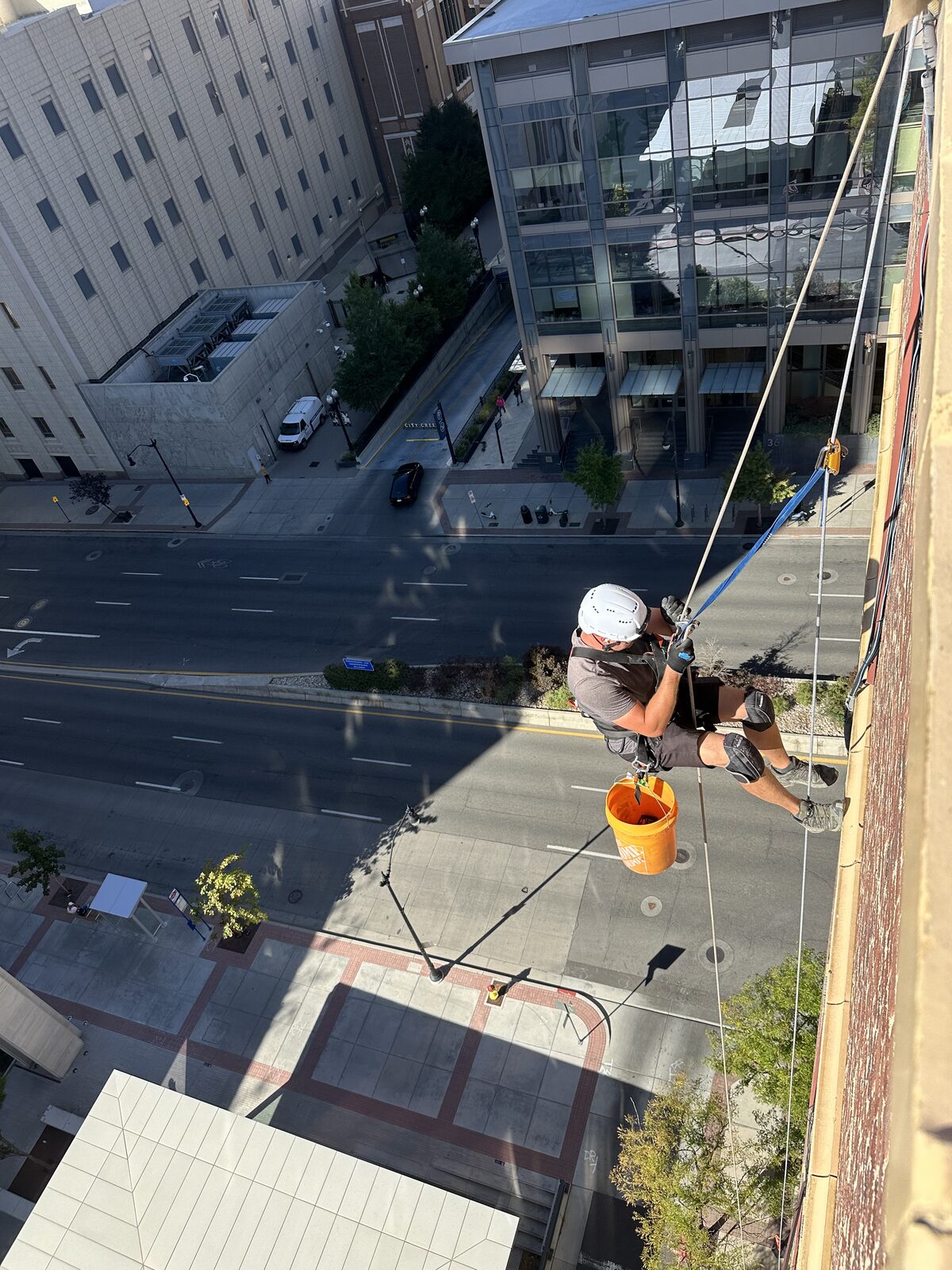
These field photos show close exterior inspection, rope positioning, and repair work at openings that cannot be reached safely from a ladder.
Florida sets a firm maternity-season closure
The Florida Fish and Wildlife Conservation Commission prohibits bat exclusion from April 16 through August 14 without a permit. Inspection, access planning, and proposal work can move forward during that period.
Starting early gives a condo board or hotel manager time to approve the scope and schedule exclusion for the legal window.
Questions from Florida property managers
What does a Florida condo association receive before work starts?
The proposal identifies the affected elevations, access method, work-zone needs, exclusion sequence, and repair scope. The board or manager can use that information for resident notices and scheduling.
Do residents or hotel guests have to leave during exterior bat exclusion?
Usually not. Most work stays outside, but balconies, sidewalks, or other areas below the technicians may need temporary restrictions. Those limits are identified before the job begins.
Why inspect every balcony stack if bats were seen at only one opening?
A continuous joint can connect several floors or give bats another route after the first gap is closed. The inspection checks the repeated detail so the repair does not simply move the activity.
When can bats be excluded from a Florida high-rise?
Florida prohibits exclusion from April 16 through August 14 without a permit. The building can still be inspected and the access plan prepared during that period.
How are Florida exterior repairs documented?
The closeout record identifies the treated areas and final closures. Photos can be included where the access and visibility conditions allow them.
Plan the rest of the bat work
Managing bats in a Florida tower?
Call with the building type, the floors where activity was seen, and any roof or balcony access limits. We can start with the inspection plan.