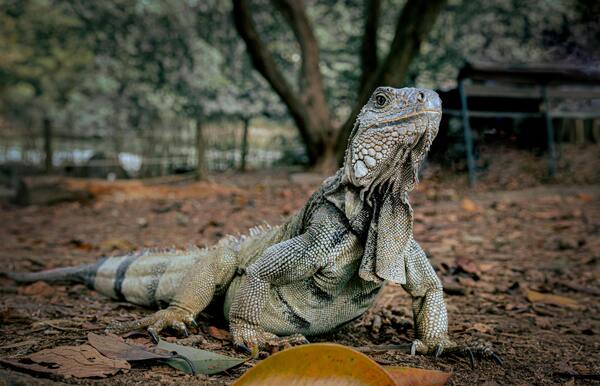
If you need professional Iguana Control services, our team is here to help. If you’ve noticed large lizards sunbathing near lakes or retention ponds, burrow holes appearing near your pool deck or foundation, destroyed landscape plants, or droppings around your patio, there is a strong possibility that iguanas have established territory on your property. Our Apopka Iguana Control experts provide safe, humane, and legal removal solutions following Florida’s invasive species regulations.
The combination of proximity to Lake Apopka, Wekiva River systems, extensive agricultural areas transitioning to residential development, and abundant ornamental landscaping makes Apopka one of the more common areas in Northwest Orange County for iguana activity requiring professional Iguana Control.
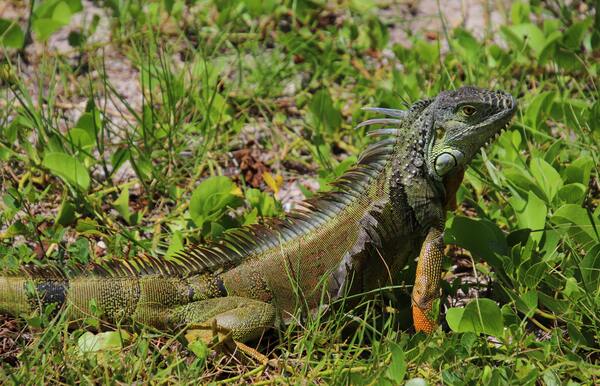
Trusted Apopka Iguana Control Services
Our team provides safe, humane, and legal Iguana Control, following Florida’s invasive species guidelines. Green iguanas are classified as invasive in Florida and can be removed year-round without permits. We use professional trapping methods, habitat modification strategies, and exclusion techniques to eliminate iguana populations from your property and prevent their return.
We bring over 20 years of professional wildlife management experience, originally developed in the western United States and adapted for Florida’s unique ecosystem challenges. These proven techniques have been tailored for Florida’s climate, invasive species issues, and waterfront property designs. With our expertise, Apopka homeowners receive reliable, high-quality Apopka Iguana Control service backed by decades of hands-on wildlife knowledge.
Why Iguanas Are a Growing Issue in Apopka
Apopka’s environment naturally attracts iguanas, making Iguana Control services increasingly necessary. The city’s characteristics create ideal habitat conditions:
- Proximity to Lake Apopka and Wekiva River conservation areas
- Transition from agricultural land to residential neighborhoods
- Retention pond networks in newer developments
- Mature landscaping mixed with natural vegetation corridors
- Warm, humid climate that supports year-round iguana activity
- Nursery and plant production areas (Apopka is known as the “Indoor Foliage Capital of the World”)
These factors make retention pond banks, lakefront areas, agricultural edges, and landscaped yards prime territory for iguana colonization requiring professional Iguana Control.
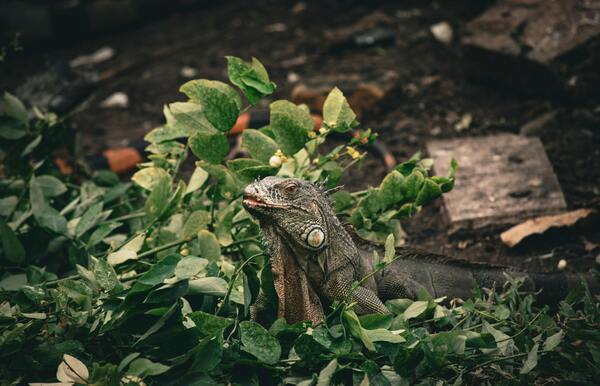
Common problem areas we see in Iguana Control assessments:
- Burrows beneath retention pond banks and drainage systems
- Damage to pool deck foundations in newer communities
- Destroyed landscape plants (hibiscus, ornamental plants, vegetables)
- Nursery and agricultural crop damage
- Droppings on patios, sidewalks, and pool areas
- Structural damage to sidewalks and driveways from burrowing
According to the Florida Fish and Wildlife Conservation Commission, green iguanas are highly destructive to native ecosystems and property infrastructure.
Dangers of Iguana Infestations
While iguanas may seem harmless, they pose serious risks that require immediate Iguana Control.
1. Health Concerns
Iguana droppings contain Salmonella bacteria that can cause serious illness in humans and pets according to the Centers for Disease Control. Contaminated pool areas, patios, and outdoor living spaces pose direct health risks. Additionally, large iguanas can become aggressive during breeding season and may bite or use their powerful tails as weapons.
2. Property Damage
Over time, iguana activity can cause:
- Retention pond bank collapse from extensive burrowing
- Pool deck and foundation instability
- Destroyed landscaping and nursery plants (thousands of dollars in losses)
- Contaminated pools requiring draining and cleaning
- Sidewalk and driveway cracking from underground burrows
- Agricultural crop damage in transitional areas
The warm Florida climate allows iguanas to remain active year-round, making timely Iguana Control critical.
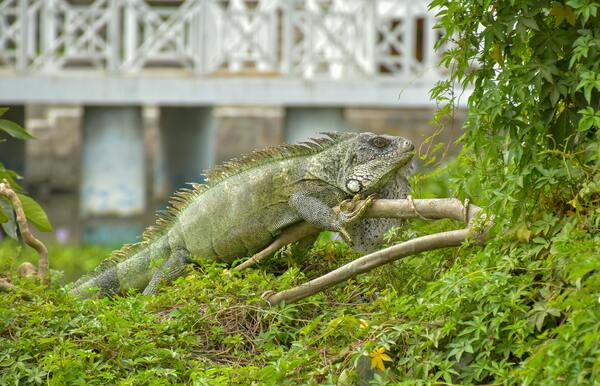
3. Rapid Population Growth
Female iguanas can lay 20-70 eggs per clutch in underground burrows. Even a small population can explode within a season if left untreated, requiring comprehensive Iguana Control.
Our Apopka Iguana Control Process
Our Apopka Iguana Control process is humane, thorough, and compliant with Florida Fish and Wildlife Conservation Commission (FWC) regulations.
Step 1: Full Property Assessment
We perform a detailed inspection of:
- Retention pond areas and drainage banks
- Pool decks and foundation perimeters
- Landscape areas with preferred food sources
- Existing burrow systems
- Common basking locations around water features
- Agricultural edges and natural vegetation corridors
We identify both active iguana populations and habitat conditions attracting them.
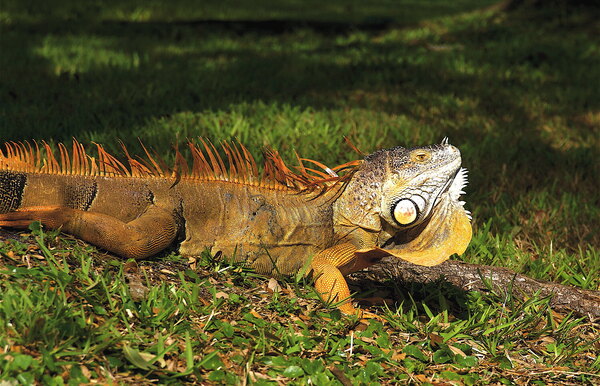
Step 2: Professional Trapping & Removal
We deploy humane live traps strategically placed in high-activity areas. Our trapping methods include:
- Baited cage traps positioned along travel routes
- Regular monitoring and check schedules
- Safe handling and removal of captured iguanas
- Proper disposal following FWC guidelines
This method ensures:
- Complete removal of resident populations
- Humane capture techniques
- No harm to pets or non-target wildlife
Step 3: Burrow Repair & Exclusion
Once iguanas are removed, our Apopka Iguana Control team addresses structural damage:
- Fill and compact existing burrow systems
- Repair retention pond bank damage and foundation cracks
- Install barriers around vulnerable areas
- Seal access points beneath decks and structures
- Reinforce pool deck perimeters
- Protect drainage systems and water management infrastructure
We use professional-grade materials designed to withstand Florida humidity, heat, storms, and erosion.
Step 4: Habitat Modification
Iguanas return to properties with abundant food and ideal basking areas.
Our Iguana Control prevention includes:
- Removing or protecting preferred food plants (hibiscus, ornamental plants, vegetables)
- Landscape modification recommendations
- Installation of physical barriers around gardens and nursery areas
- Eliminating ideal basking structures
- Creating less hospitable environments
This leaves your property protected from future iguana colonization.
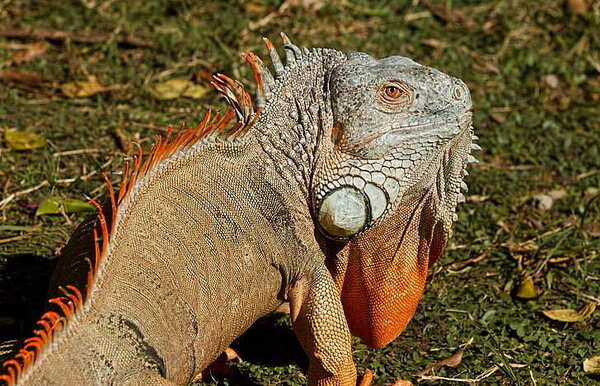
Seasonal Iguana Activity
Understanding local iguana behavior helps determine the best approach for Iguana Control.
Spring – Breeding Season Begins (March – May)
Iguanas become more territorial and aggressive. Males establish dominance and females begin seeking nesting sites. This is an ideal time for early Iguana Control intervention.
Summer – Peak Activity & Nesting (June – August)
Iguanas are most active during hot weather, feeding heavily and expanding territories. Females lay eggs in burrows, setting up population explosions for the following year. Prime season for aggressive Iguana Control.
Fall – Continued Activity (September – November)
Newly hatched iguanas emerge from nests. Populations expand rapidly. Critical time for Iguana Control to prevent established colonies.
Winter – Reduced Activity (December – February)
During cold snaps (below 50°F), iguanas become lethargic and may fall from trees in a stunned state. While activity decreases, this is an excellent time for property assessment, burrow repairs, and implementing long-term exclusion strategies.
Why Choose Us for Iguana Control?
- Over 20 years of wildlife management experience
- Adapted methods specifically for Florida’s invasive species challenges
- Fully humane and FWC-compliant Iguana Control techniques
- Fast property assessments and same-week trapping deployment
- High success rate with permanent, long-term solutions
- Professional burrow repair and habitat modification that prevents re-infestation
Our focus is always on protecting your property while humanely removing invasive iguanas. [Learn more]
Iguana Control FAQ
Are iguanas dangerous?
Large iguanas can be aggressive during breeding season and may bite or strike with their tails. Their droppings contain Salmonella bacteria. Never attempt to handle iguanas yourself. Always contact professional Iguana Control experts.
Will Iguana Control harm the iguanas?
Our methods are humane. Captured iguanas are handled according to FWC guidelines for invasive species removal.
How long does Iguana Control take?
Most trapping programs run 1–4 weeks depending on population size and property conditions.
Do you repair burrow damage as part of Iguana Control?
Yes. We offer complete burrow filling, foundation repair, retention pond bank restoration, and structural reinforcement.
Can iguanas damage nursery operations?
Yes. Iguanas feed heavily on ornamental foliage and can cause significant losses to plant nurseries. Professional Iguana Control protects agricultural investments.
When is Iguana Control legal in Florida?
Green iguanas are invasive species and can be removed year-round without restrictions.
Call Today for Iguana Control
Whether you’re near Errol Estates, Kelly Park, Rock Springs Ridge, or any neighborhood in the city, our professional Iguana Control service ensures your property is safe, protected, and iguana-free.
For wildlife control in nearby areas, visit our [Mount Dora Iguana Control] and [Zellwood Iguana Control] pages.
Contact us today for a full property assessment and expert Apopka Iguana Control in Apopka, FL.